Q1 Case Studies
Three very different escrows with three lessons for today’s buyers and sellers
This past month I navigated three very different escrows and each one reinforced the same thing- there isn’t one formula that works for every home. Pricing, strategic preparation, and leverage matter more than ever. Here’s a look at what happened and what it means if you’re thinking about selling this year.
Escrow 1: Nicest Home on the Block
The situation
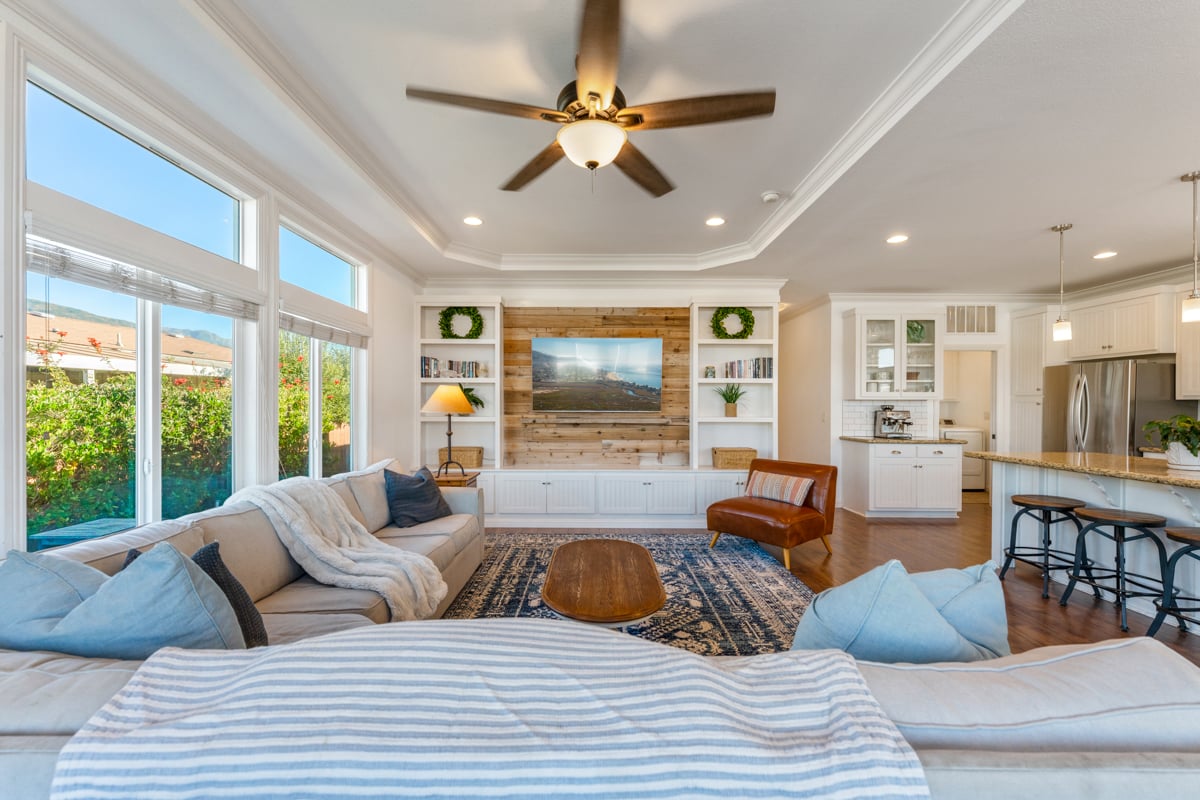
This home was easily the newest, most functional, and best-finished property in the neighborhood.
Completely turnkey. Thoughtfully maintained. And something that rarely comes up in this specific micro-market.
Great for marketing. Great for the eventual buyer. But ironically, that makes pricing harder.
There were no true comparable sales to lean on. Nothing matched the age or condition of this home. That didn’t mean it wasn’t worth more, it simply meant the value hadn’t yet been proven by data.
So instead of pricing within the market, we were essentially setting a new benchmark for the neighborhood.
Based on the sellers’ goals, we decided upfront to price at the higher end of what the quality and data could justify. It was a stretch, but a calculated one. In our area, a significant portion of buyers pay cash, which can reduce appraisal risk.
Our agreement was simple: Test the market, watch the feedback closely, and adjust quickly if needed. We also launched during the holiday season, which naturally brings lighter buyer activity.
What happened
Week one traffic was strong. The home showed beautifully- move-in ready, less than a mile to the beach, and easily the most attractive option at the price point.
But activity doesn’t always equal offers.
There were a few neighborhood quirks and stricter pet guidelines that narrowed the buyer pool. After the initial rush, traffic slowed, which confirmed we were slightly ahead of where buyers felt comfortable.
We made a strategic price adjustment (still strong for the neighborhood), and activity picked up again.
We secured a qualified buyer but with financing. Great!… and also the one scenario where an appraisal becomes critical.
During escrow, the appraisal came in below the contract price.
This is something we’re seeing more often right now. Values are still rising, just not at the aggressive pace of the past few years, and appraisers are being more conservative, especially when there aren’t solid comps to support the number.
The strategy during escrow
Instead of losing the deal, we focused on solutions:
-
Renegotiated terms
-
Buyer agreed to cover part of the appraisal gap
-
Sellers adjusted slightly
-
Kept everyone focused on the net outcome, not the sticking points
The result
We closed successfully and it still became the highest sale in the neighborhood.
Key takeaway
When your home is a positive outlier(the nicest or most improved on the block) pricing isn’t just about what it “should” be worth.
It’s about balancing:
-
data
-
market psychology
-
appraisal realities
-
your level of commitment to getting it sold
During the pandemic run-up, appraisals rarely slowed deals down. That’s no longer the case. Today, smart pricing and strong negotiation matter just as much as presentation.
Escrow 2: Pricing vs Positioning
The situation
This home was located in Concha Loma which is one of Carpinteria’s most sought-after neighborhoods.
Steps from the beach with very quiet streets. The kind of pocket where people wait years (sometimes lifetimes) to get in. Lifestyle-wise, it’s hard to beat.
The property itself had a lot going for it:
-
generous lot and great placement
-
beautifully remodeled main house
-
detached guest house for flexibility and income potential
But on paper, it wasn’t the obvious “top of the market” listing.
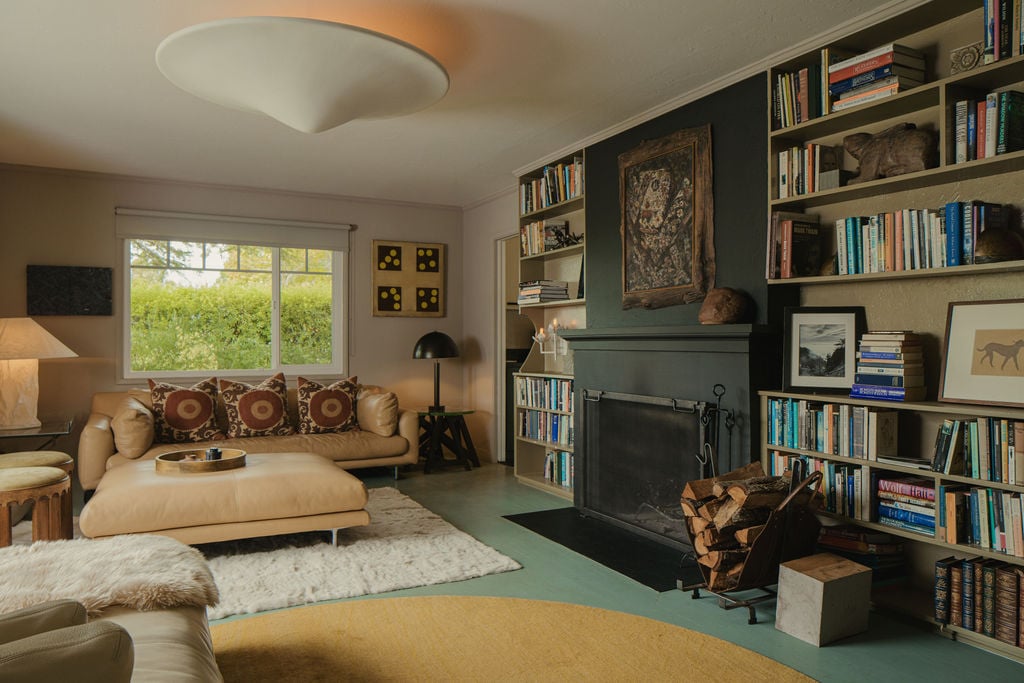
The main house was only two bedrooms and around 1,400 square feet. The guest house had some permitting questions(thanks to spotty city records) and stylistically, it wasn’t your typical neutral coastal vibe that most buyers are looking for.
It was bold, colorful, moody and design-forward, but not “safe” which meant this wasn’t a home that appealed to everyone. It appealed to a very specific buyer.
If we priced strictly by bedroom count and square footage, we would’ve landed lower and left money on the table. But I also couldn’t ignore that buyers would compare it to larger homes nearby.
So the real question wasn’t just pricing. It was positioning.
The strategy
This one was much more about marketing strategy than math.
In a neighborhood like this, buyers aren’t shopping for “bigger.” They’re shopping for lifestyle, character, and something that feels special.
So the focus became: How do we make the right buyer feel like this is the one? Instead of competing on size, we leaned hard into:
-
location and walkability to the beach
-
privacy and lot quality
-
the design and personality of the remodel
-
the flexibility of the guest house
We studied comps that had:
-
more interior space
-
sometimes ocean views
-
similar proximity to the beach
-
but far less thoughtful design and fewer updates
On paper, they were “bigger.” In person, they weren’t nearly as compelling.
So our marketing highlighted what made this home different:
-
elevated photography that captured the mood and texture
-
storytelling around the lifestyle (morning beach walks, indoor/outdoor living, hosting friends in the guest house)
-
targeting buyers who value design and turnkey living, not just square footage
The goal wasn’t to be the cheapest or the biggest.
It was to feel like the most exciting and most complete option in the neighborhood.
What happened
The response was exactly what we anticipated. It wasn’t for everyone and that was intentional.
But the two buyer profiles I had predicted showed up quickly and both wrote offers. We went under contract in under 30 days (during a slower time of year) and closed right at the value I had suggested.
It also achieved the highest price per square foot for the neighborhood.
The result
A quick, record-breaking sale for the community.
Key takeaway
Square footage alone doesn’t determine value, especially in unique, lifestyle-driven neighborhoods.
When a home is thoughtfully remodeled and truly turnkey, buyers will pay a premium to avoid projects and move straight into the life they want.
Sometimes pricing follows the data. Sometimes smart marketing helps buyers see value the data can’t fully capture.
This one was about telling the right story, putting the home in front of the right people and letting the market respond.
Escrow 3: Back to the Basics, Prep + Presentation
The situation
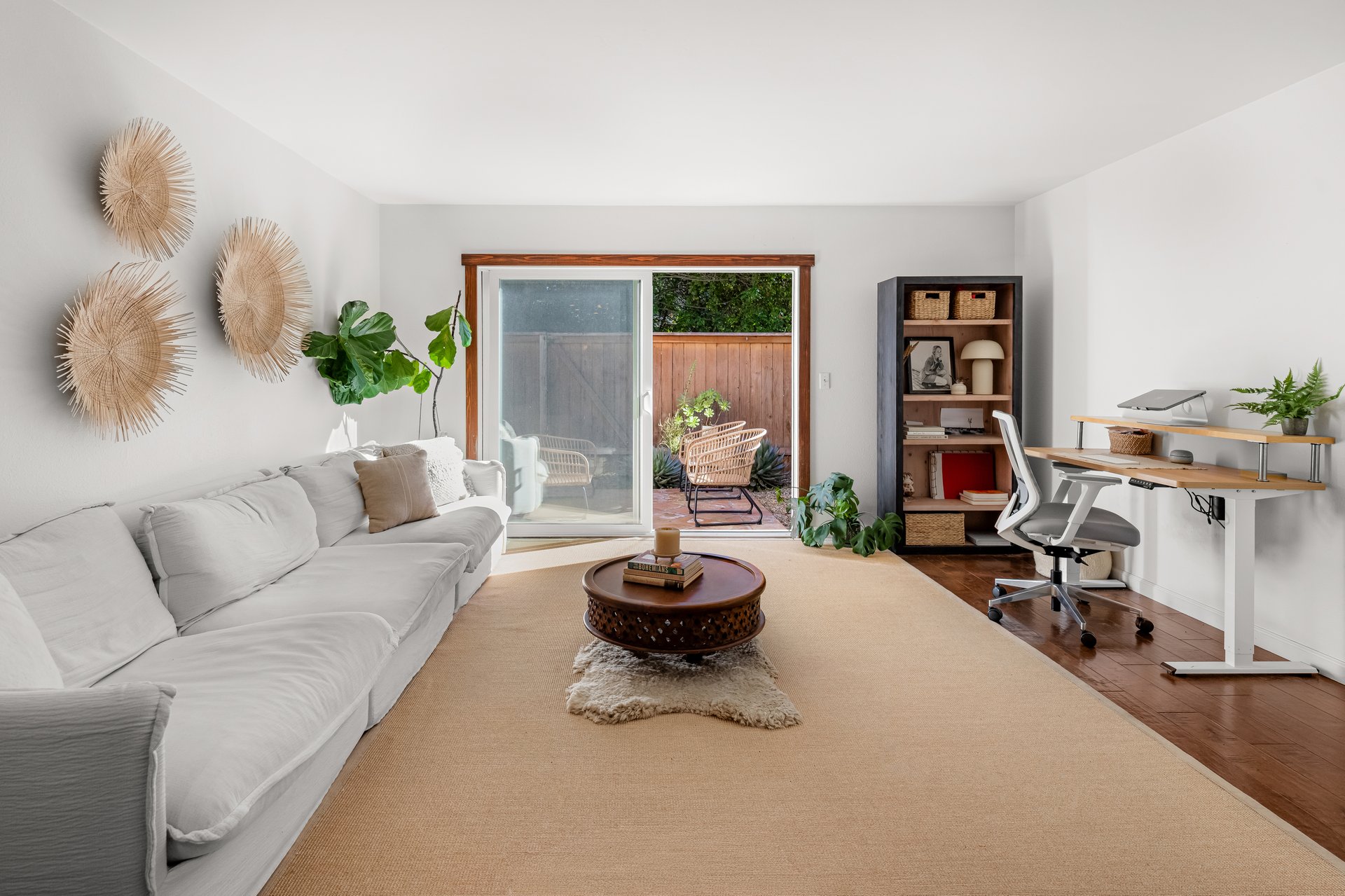
This one was a little tricky because we had been discussing the option of selling for some time. While my client was weighing options, a couple units in her complex hit the market with out of area agents who listed far below market value. They sold quick but they had a negative impact on the comps. This unit was in a superior location and had great style but being in the entry-level market in Goleta, it was important to price according to comps and marketing according to our perceived value.
With condos especially, buyers tend to compare everything side-by-side:
-
price
-
condition
-
location within the complex
-
and how much work they think they’ll have to do after closing
If anything feels uncertain, buyers are negotiating hard. So instead of trying to push the price, the goal was to price competitively and prep the home so we could remove every objection before we ever hit the market.
The strategy
This one was all about preparation and positioning.
Before listing, we:
-
completed inspections
-
handled repairs/upgrades upfront
-
Organized, professionally cleaned and staged
-
Created marketing that highlighted why this specific unit was the best in the complex
In other words, we made it easy to say yes. No mystery. No guesswork. No “what’s this going to cost me later?” When buyers feel confident, they move faster and they compete confidently.
What happened
Within the first week, we had multiple interested buyers and two offers over asking. We were under contract in less than seven days. No drawn-out negotiations. No drama. Just clean, strong terms.
The result
Quick timeline. Multiple offers. Above asking price.
Exactly what you want from an entry-level property.
Key takeaway
Not every sale requires a bold pricing strategy or a big marketing story.
Sometimes the highest return comes from simply doing the basics exceptionally well.
Preparation creates leverage.
When buyers feel uncertain, they negotiate.
When they feel confident, they compete.
For entry-level homes and condos especially, removing friction before you list often matters more than anything else.
__________________________
Final Thoughts
Three properties. Three price points. Three totally different strategies in the same market.
This really proves what I've been saying the last 2 years- there isn’t a formula anymore. You don’t just list higher than the last comp, cross your fingers, and rely on the market to float your price. The difference between an average sale and a standout one usually isn’t the house. It’s the strategy behind it. You plan. You position. You adjust. You negotiate.
So if you’re thinking about selling, don’t ask: “What’s my home worth?”
Ask:
“Who’s going to tell me the truth, build the right strategy, and execute this the right way?”
Listing a house is easy but a smart strategy is the only thing that gets it sold without leaving money on the table.
That’s the difference between guessing… and closing well.
If you want a straightforward game plan (not fluff, not pressure), I’m happy to map it out with you!